Earn Post-Purchase Incentives

Find more ways to save post-purchase and get more money!

When customers see Wattsmart®, they might think about lighting or variable frequency drive (VFD) incentives and other HVAC-related measures. But did you know we have a way to pay incentives on almost any energy efficiency project you can think of? There are many measures, ranging from variable kitchen exhaust fans to roof heat tape that offer high efficiency. If you find a measure that is not on our incentive lists, we have a team of engineers who can help create a custom project to reflect the project savings.

In many cases, the project may not even require pre-approval and can be submitted within six months of the invoice date without any additional exceptions. Measures that fit into our post-purchase category are pre-engineered (prescriptive/deemed) and have the easiest process to follow for participation. Often, it requires only filling out a simple PDF application with no special tools to navigate. The measures are designed specifically to not interfere with the sales and installation processes.

We have created a short video designed to help customers and specialized vendors identify some of the most common measures available.

So, whether you are interested in expanding your energy efficiency offerings as a company or are motivated by vendor referral incentives, check out the video to learn how to get started.

Need additional information? Our knowledgeable staff is here to help you. Contact us.


Brad Gilchrist, Customer Outreach

Brad joined the Salt Lake City-based non-lighting outreach team in June 2023 on the customer outreach side of the program.  Brad comes from an executive sales role, most recently as the national sales manager for Dowdle Puzzles.  He brings great energy, new perspective, strategy and out-of-the-box thinking to the team.

Brad is a lifelong Disneyland fan, having recently returned from a four-day trip to the park where he showed his grandkids how many miles he could walk in a day.  Brad’s hobbies include University of Utah football, cooking and spending time with his family.

Brad can be reached at bgilchrist@resource-innovations.com.

Felipe Gomez, Field Specialist

Felipe Gomez, Field Specialist 

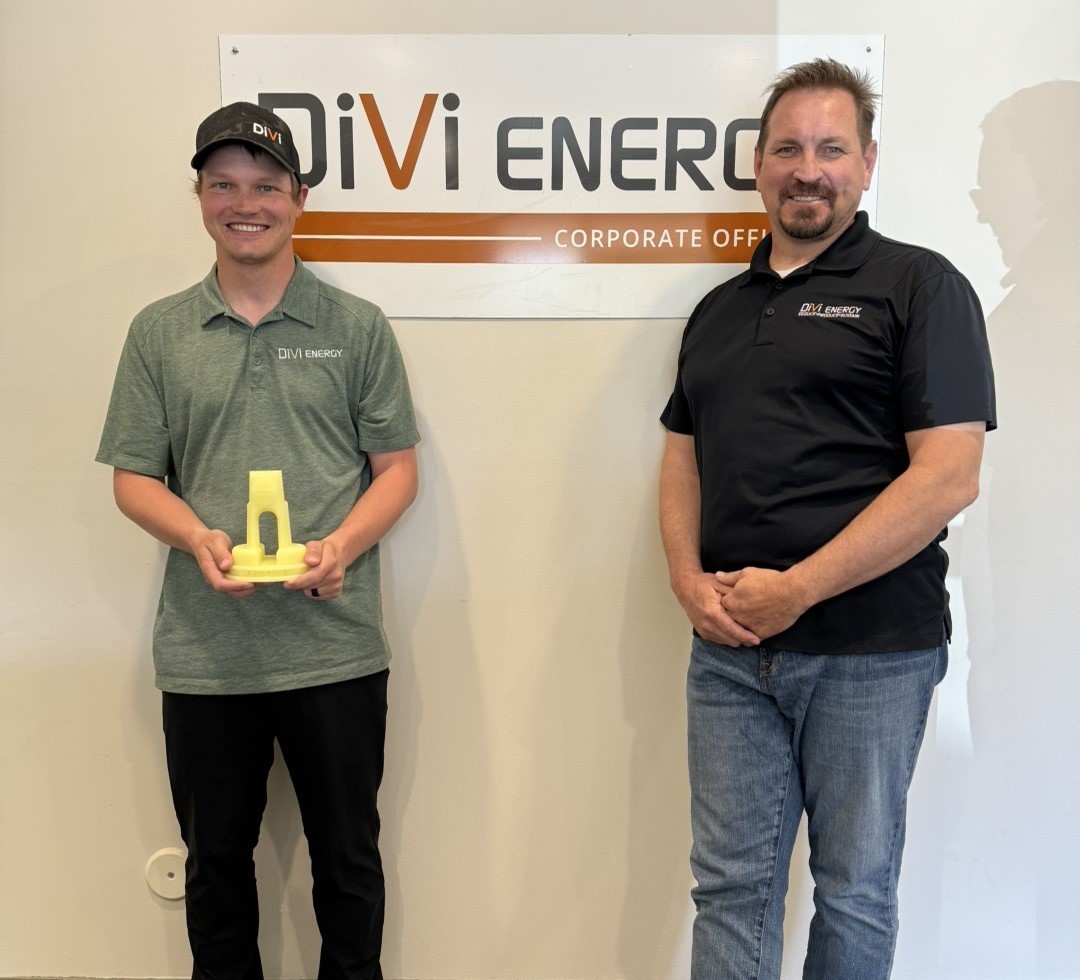
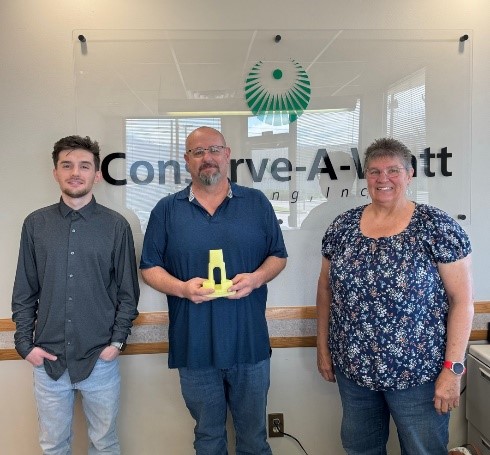
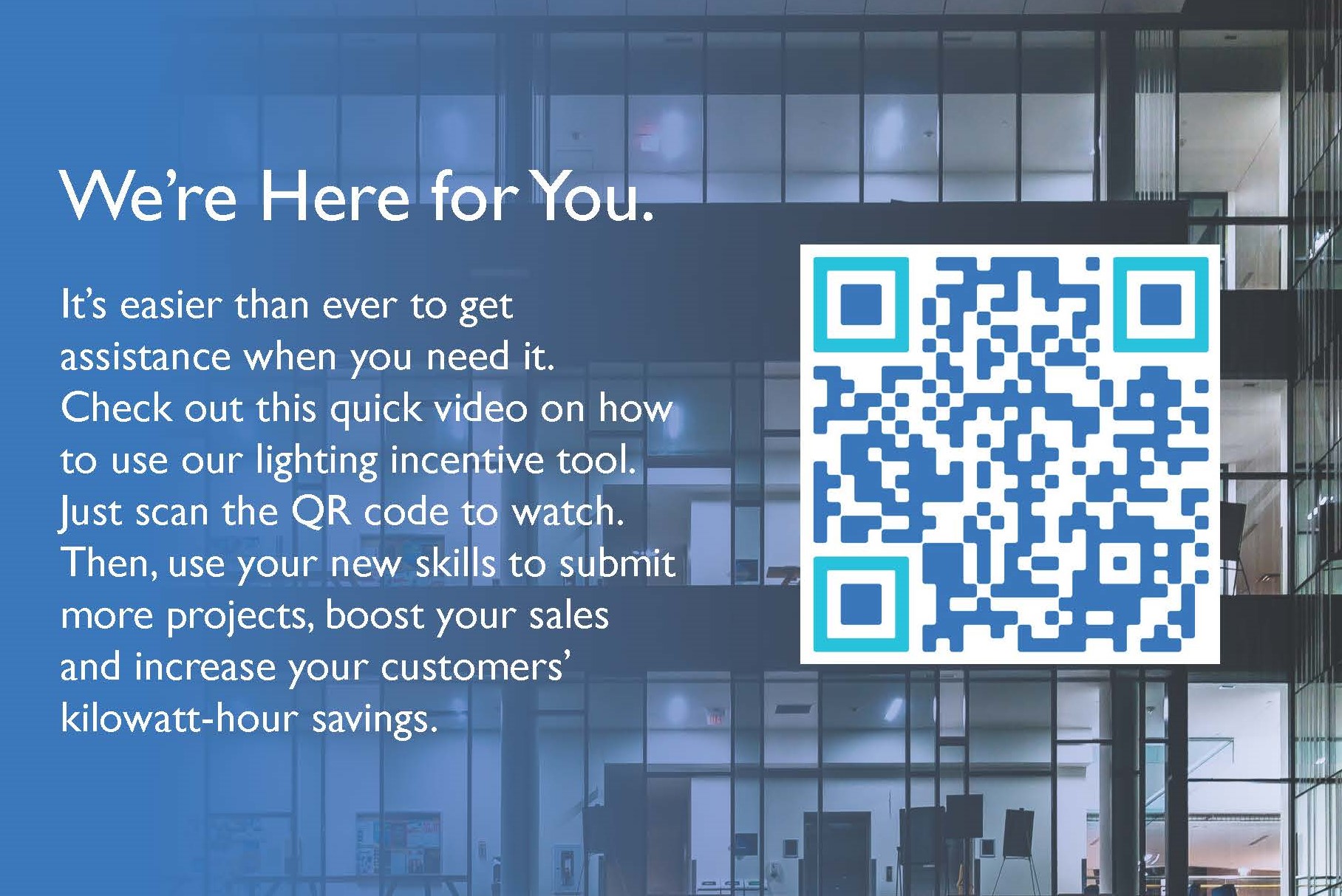
Felipe is a new field specialist in the Utah area. He brings over 10 years of experience in professional sales, account and project management to the team. He has already jumped right in to help vendors and customers navigate and maximize the incentives from the Wattsmart Business programs. One of his first projects was creating personalized leave-behind cards containing a link to the Lighting Tool Tutorial video and each specialist’s contact information (see images above and below).  

Prior to Evergreen, Felipe was a senior account executive at Zidy.com, an account manager specialist at Acima and a business development manager at Micare Solutions. He is the founder of the Utah Latino Business Expo. In his free time, Felipe enjoys sports, traveling and collectibles. 

Felipe can be reached at Felipe.Gomez@evergreen.energy. 

HVAC Conference Highlights New Government Requirements


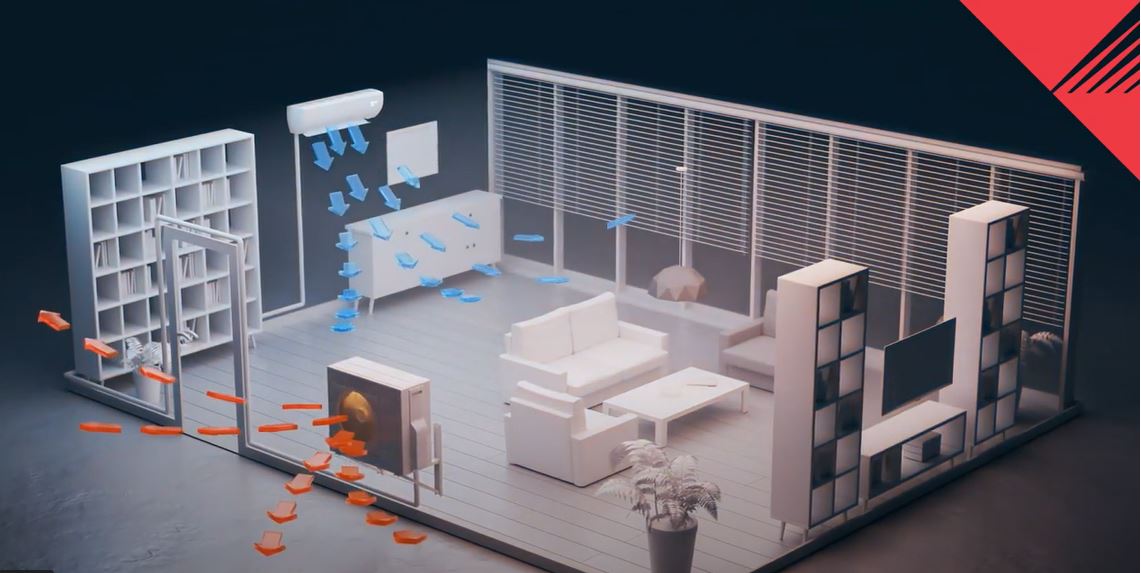
At the 2023 HVAC Educators Conference in Las Vegas, there were several presentations on refrigerants and refrigerant changes. Significant pressure is being asserted by the U.S. Environmental Protection Agency (EPA) and other governmental agencies on the HVAC industry that will impact production, innovation and energy codes moving forward. These changes have the potential to impact programs on the supply chain side as well.   

Here are a couple of examples of what was presented: 

Refrigerant changes

Over the years, we have seen changes in approved refrigerants due to global environmental impacts. In the 1990s, the most common HVAC refrigerant was R-22, referred to as HCFC or Hydrochlorofluorocarbon. The problem discovered was that the chlorine in the refrigerant was damaging the ozone layer. R-22 refrigerant has been phased out and replaced with HFC (Hydrofluorocarbon) refrigerant, most commonly referred to as R-410a.

In recent years, it was discovered that while this refrigerant didn’t damage the ozone layer, it does have high global warming potential. The EPA has recently issued guidelines for its use, which will restrict the production to 60% of current production by 2029 and 30% by 2034. Essentially, it eradicates using these refrigerants in HVAC equipment moving forward. The HVAC industry is now testing and pushing for the next generation of refrigerants, which will not be compatible with existing equipment. So, manufacturers have to redesign systems and adapt to the new refrigerants at a much faster rate.   


Efficiency standards

The federal government is setting standards of minimum efficiencies for equipment based on weather data. They will require furnaces in heating climates and air conditioners in cooling climates to have better efficiency than current minimums. As a result, minimum efficiencies are much higher, producing less savings from higher energy-efficient equipment.   

The industry is struggling to shift to meet these requirements. These changes will begin to affect stocking practices and equipment availability in the near future. Along with other regulations and standards, the changes will need to be followed closely for our programs to adjust and succeed in the future. In the short term, these changes will likely mean product availability and supply chain issues. 


Block Heater Controllers Have an Attractive Payback


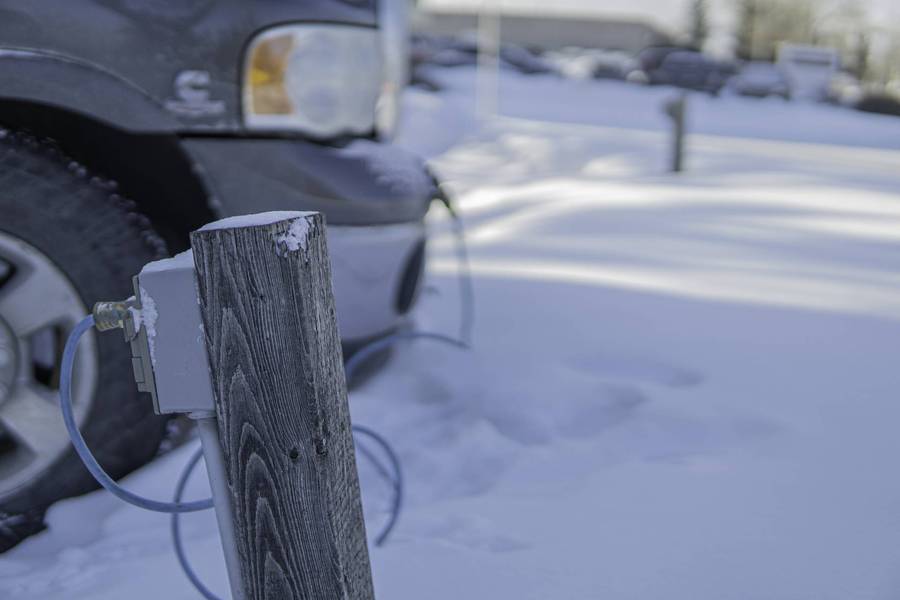
In previous newsletters, we covered the engine block heater controller measure introduced earlier this year. It’s a low-cost, easy installation measure that can save energy in a way that will not affect customer comfort or cause an inconvenience. New block heater controllers are high-tech and use data sources like ambient temperature and pre-programmed schedules to ensure the motor is warmed up only when required. The savings come from not running it unnecessarily long or when it is not needed. Customers with large fleets of diesel vehicles in a cold climate would be ideal candidates. In most cases, this results in a payback of under a year. 

The low upfront cost also makes block heater controls attractive. Some manufacturers offer them at a price point that matches the current incentive of $125. In addition, the process is streamlined and simple. Here are the steps.   

Note: Exceptions may be available, so be sure to get pre-approval in those cases. Contact an outreach specialist if you have any questions. 

  • Install the product in a permanently affixed manner.
  • Submit the required documentation.

General Application 

W9

Post-purchase form

– Invoice for both labor and materials

  • Schedule a Post-inspection, if necessary.
  • Receive the incentive!

Since this technology provides results and very quick payback, it can be a great ” foot-in-the-door” to help sell other energy efficiency projects to a new customer. It can also serve as a great touchpoint with an existing customer to see if they have any new project potential.

Advanced Network Lighting Controls Recommissioning

ANLC RxCx

In the U.S., we have seen that some of the highest Networked Lighting Controls (NLC) adoption rates are in Utah. We would love to attribute this success to our amazing incentive offerings, but there are also other factors.

  • People in Utah love the outdoors, so they have a strong desire for conservation and taking care of their environment.
  • Utah is also home to the Silicone Slopes area and a general love for technology. That is evident by the number of lighting control companies headquartered in the state, offering local support for projects using this groundbreaking technology.

As a result, many NLCs that were commissioned years ago probably need a checkup. Our programs include the word “Advanced” to Networked Lighting Controls and generally refer to them as ANLCs. That is not just to be clever; it represents a superior system set to maximize savings. In the case of older ANLC projects, the “Advanced” term might be dropping off as commissioning gets out of date or sensors fail with time. That is why we created the Advanced Networked Lighting Controls Recommissioning (ANLC RxCx) incentive.

Timing

An ANLC RxCx project is eligible for incentives three years from when the project was initially completed. Pre-approval is not required. A vendor can revisit any ANLC project three years or older and offer a low-cost (or, in some cases, free)  recommissioning of the controls system. The incentive on these is quite lucrative and will likely cap at 70-100% of eligible costs, depending on the full project scope.

70% cost cap

If the recommissioning space would benefit from other lighting upgrades, this project would fall into the 70% cost cap category. Although the customer will have a co-pay, they can change out some of those lights that weren’t in the original scope. Because incentives carry over from the ANLC RxCx portion to the retrofit part of the project, it can make an area with less savings look attractive due to the increased incentives. This is a great option when there is the potential for additional scope to the project.

100% cost cap

Projects limited to only ANLC RxCx measures have a 100% cost cap. If anything more than RxCx is added to the lighting tool, it will revert to a 70% cost cap calculation. This may include any eligible cost related to the ANLC RxCx project.

Eligible costs

Although each project is unique , here is the list of items we expect to encounter on an invoice.

  • Time billed for the recommissioning agent
  • Reasonable travel costs (if out of territory)
  • Labor hours to replace failed equipment
  • Material costs for failed equipment if the manufacturer warranty period has passed (five-year minimum for DLC)

In all other cases, you must confirm with our staff before starting your project to ensure those costs are eligible.

Our team is working to make this process as simple as possible. We maintain a list of eligible projects by vendor and can provide this list at any time. To facilitate the process, we are working on importing previous lighting tools to get that portion done in advance.

The best part about this measure is that it can be repeated every three years. We recommend setting a calendar reminder to contact your customer to make sure their system is still working at 100%. While in touch, see what other projects they may have for you.

Incentives for Smart Engine Block Heater Controllers 

They Are Here!  Smart Engine Block Heater Controllers Incentives 

In cold weather, diesel motors can struggle to start up in the morning. Many motors come with block heaters that use electricity from the grid to preheat the motor for an easier start. Out of habit, many customers plug in the heaters in the evening and let them run all night so that the motor is warm by the morning. This practice is wasteful because these heaters run unnecessarily long, each using several hundred watts. Ideally, heaters only need a few hours, at most, to preheat a motor.

Next, basic timers were added to the block heaters and considered an energy efficiency measure. They did allow warmers only to run just before they were needed. This practice became common, so it was removed from the incentive offering.

Since several new smart controls have become available for engine block heaters, we’ve had many customers ask about incentives. As a result, a new measure has been created for 2023.

These smart controllers are superior because they use variables such as ambient temperature. Using ambient temperature helps to reduce block warmer run times. When setting preheat times using a block timer alone, you are forced to plan for the worst-case scenario. These smart controllers dynamically adjust schedules to be the most efficient.  

Now, a set dollar amount can be requested through a post-purchase application. It will mirror the current residential offering with a similar qualified product list and eligibility requirements.

Please contact your outreach specialist if you have any customers you feel might be a good fit for this new measure.  

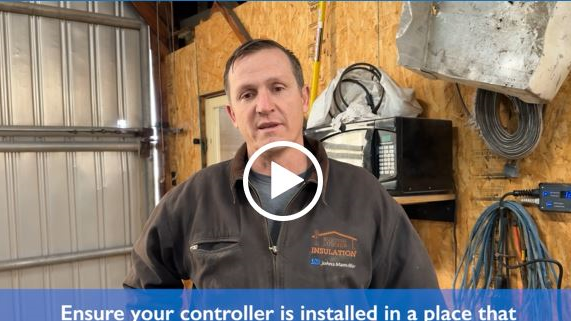
This brief video shows the ease of installation and explains the benefits of an engine block heater controller. 

Rocky Mountain Power – Innovating for a Sustainable Future

At Rocky Mountain Power, we have a simple goal; To power our customers’ lives with the cleanest, most reliable, and most affordable energy. Since 2014, Rocky Mountain Power has helped pioneer a way to save customers more than $276 million and has cut CO² emissions by more than 30 million metric tons. This is the equivalent of taking more than six million cars off the road for a year, and the results continue to grow.

Rocky Mountain Power makes it easy and more cost-effective for clean and renewable energy to go where it’s needed. The Western Energy partnership allows participating utilities in the region to trade energy in near real-time. It is fast-paced, responds to customers’ energy usage in real-time, is constantly changing by adding new energy incentive programs, and makes sun and wind a more viable energy source than ever before.

The Energy Imbalance Market (EIM), a real-time energy supply market that offers electricity generation and transmission services, has opened the door for other critical innovations like coal plants that can ramp down in real-time as wind, solar, and hydro energy ramp up. It is all part of how Rocky Mountain Power delivers the reliability and affordability that is depended on while innovating a more sustainable future.

Our customers inspire us every day. That’s why we’re focused on delivering affordable and reliable service while pioneering new partnerships and offering more energy choices.


For links to the other articles in this issue, go back to the original email.


Program Update: Fullstream

You have probably heard Wattsmart program staff talking about a Fullstream incentive. But what exactly is a Fullstream incentive, and how do you participate? A Fullstream model takes the incentive that would historically be given entirely to the end-use electrical user (Downstream) and splits it up to be shared by distributors (Midstream) and the end-use electrical user. This was done to help distributors offset the cost of stocking more expensive Wattsmart program-eligible products. When distributors have more eligible products in stock, customers have better access to lighting products that are eligible for Wattsmart incentives.

 So how does it work? When a distributor sells qualifying products to a commercial customer, they can report the sale to the Wattsmart program and receive incentive money for the lighting products sold. The sales information is commonly reported by the distributor running a monthly lighting sales report and submitting the sales data to the Wattsmart program. Any purchase of an eligible product made by a commercial customer who is located within an approved zip code qualifies for incentives. Commercial customers can be contractors, ESCO, end-use customers, etc., purchasing from the distributor. It is preferred but not required to identify where the product will be installed or collect the Rocky Mountain Power customer information during these transactions.

In addition, distributors or electrical contractors should inform their Rocky Mountain Power commercial customers that they are eligible for Downstream incentives by completing a post-purchase application. This allows the Rocky Mountain Power customer to receive their portion of the incentive that is shared in the Fullstream model. For more information, please contact your Wattsmart program outreach coordinator.


For links to the other articles in this issue, go back to the original email.

Incentive Process for “Power Badger,” the Engine Block Heater Controller 

Engine block heater timers are not a new concept. Block heaters don’t need to run all night for the motor to be warm enough to start up when needed. Simple timers were used to only run the block heaters for a short time. How much time should they run though? You could figure out the ambient temperature each day and change your timer settings daily or, what most people do is, assume worst-case scenarios and set the timer for that. That’s where the smart block heater timer or Power Badger started to gain popularity. It uses inputs such as ambient temperature to optimize preheat schedules dynamically.  

This measure really gained popularity in the residential market as utility incentives were enough to offset much of the upfront cost, resulting in incredible payback periods to customers. Now people are asking, “what about my business?” The Rocky Mountain Power Residential and Business & Industry incentive offerings run independently, and the same residential incentives do not apply if you are a commercial or industrial customer. There are plans to create a simple application path, and we will keep you updated as that becomes clearly defined.  

Today, we have a catch-all offering for items that don’t yet have a clearly defined prescriptive incentive, and we call it our custom path. This path is usually reserved for projects where a custom analysis is required for one-off equipment. It is a fully engineered path, so there is a bit of effort in order to qualify. 

To participate in the custom incentive path:

  1. Submit an application: After you identify a project (or work with us to identify a project or projects), the first step is to submit a general application and provide your tax ID in a completed IRS Form W-9 so we (or our program administrator) can prepare a 1099-Misc. (if required) following the incentive payment.
  2. We provide a pre-inspection: Before you remove existing equipment, we need to establish an energy baseline. It is very important that we do this before you purchase anything new. Our inspection will identify efficiency options and help you understand the financial benefits of your investment.
  3. Sign an incentive offer: Sign an incentive offer before you begin project implementation. If you don’t have an incentive offer, you may not be able to receive an incentive.
  4. Implement your project: Purchase and install qualifying equipment at an eligible location.
  5. We provide a post-inspection: We may need to see that the new equipment is installed and operational. It can be a simple on-site inspection, or it may require more formal savings verification. You’ll be told what the requirements will be in your energy analysis.
  6. Receive a cash incentive: Congratulations! Within 45 days of final inspection, savings verification, and/or the receipt of all necessary cost documentation, you will receive your incentive.

To those asking, “what about my business?” the simple answer is yes, we have a solution for businesses and industry to get incentives for smart block heater controllers. While custom incentives are available, customers needing only one or two controllers may not be the best candidates. Customers with large fleets of diesel vehicles in a cold climate would be ideal candidates. The large potential incentive would help motivate all parties to complete the necessary steps to participate in the program.  

If you feel you have a customer that is a good fit for the custom analysis path, please contact your outreach coordinator for more information. If you don’t, there is no need to act now. We will keep you informed as the simpler, prescriptive incentive is launched in your state.  

For links to the other articles in this issue, go back to the original email.